

Architecture as the Foundation of Intelligent and Sustainable Construction
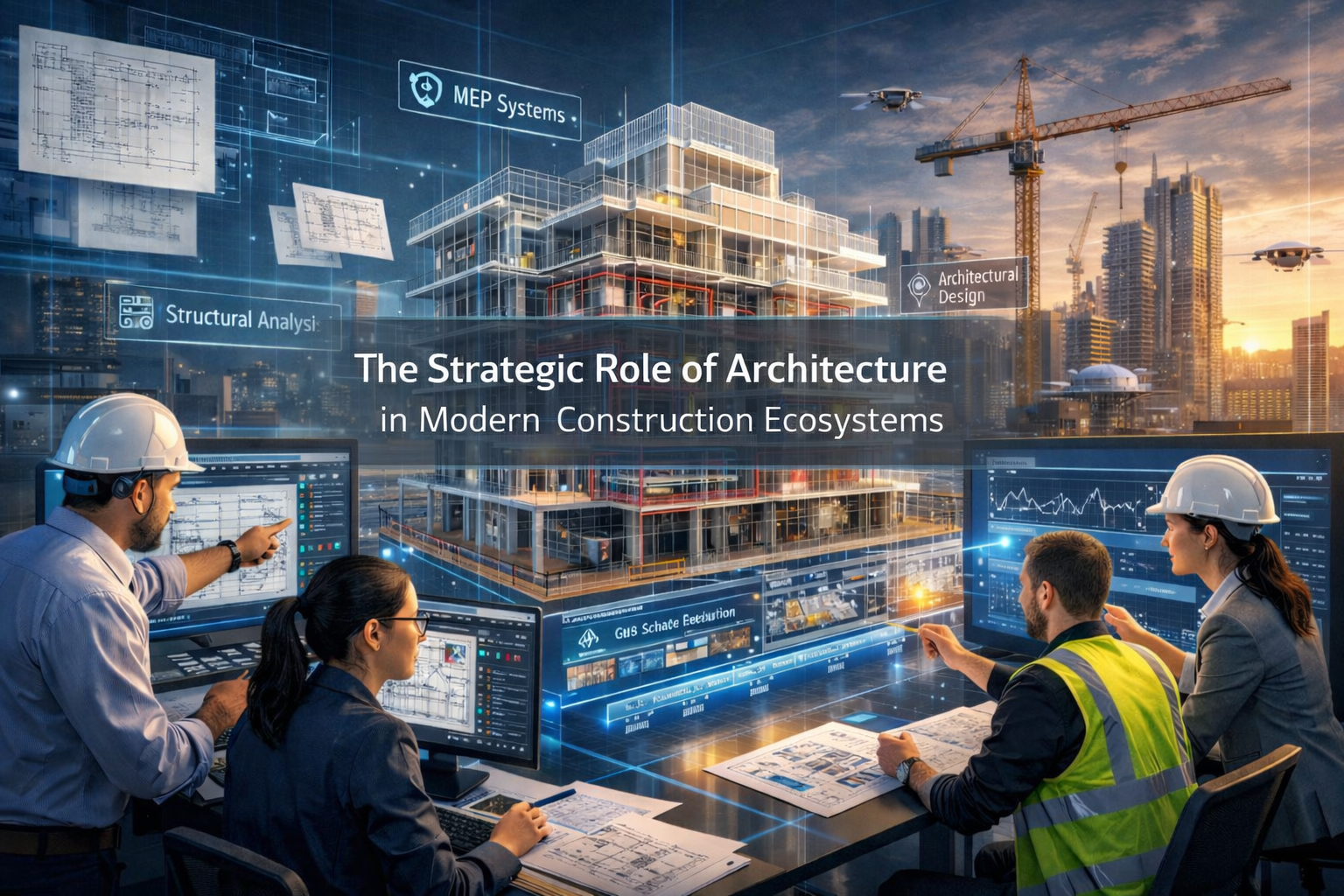
A modern BIM-based architectural environment highlighting design, structural analysis, and MEP coordination in contemporary construction ecosystems..
Published On : 29 Jan 2026
HPS BIM Institute is a specialized training and research centre focused on Building Information Modelling (BIM) — a modern digital process used in architecture, engineering, and construction to plan, design, and manage projects more efficiently. Founded in 2023, the institute offers industry-aligned BIM training, practical workshops, and certifications designed to help students and professionals master key BIM tools and real-world workflows. Its programs include hands-on projects and are led by experienced BIM professionals to prepare learners for careers in the global AEC (Architecture, Engineering & Construction) sector. What Is Architecture and Why It Matters in Modern Construction.
What Is Architecture & Why It Matters in Modern Construction
Architecture is more than the creation of buildings; it is the discipline that shapes how people live, work, and interact with their surroundings. It combines creativity, engineering principles, technology, and social responsibility to design spaces that are functional, safe, sustainable, and visually appealing.
In modern construction, architecture plays a critical role in addressing challenges such as rapid urbanization, environmental impact, and the need for efficient project delivery. Architects today are expected not only to design attractive structures but also to ensure performance, sustainability, and coordination with multiple engineering disciplines.
Key aspects of contemporary architecture include:
Human-centred design that prioritizes comfort, usability, and well-being
Sustainable design strategies that reduce energy consumption and environmental impact
Integration of digital technologies to improve accuracy and efficiency
Collaboration with structural, civil, and MEP teams for seamless project execution
As the construction industry evolves, architecture has become increasingly data-driven and technology-oriented, making digital skills essential for modern architects.
The Role of BIM in Modern Architecture
Building Information Modelling (BIM) has transformed the way architectural projects are designed and executed. BIM allows architects to work with intelligent 3D models that contain detailed information about building components, materials, quantities, and performance parameters.
Through BIM, architects can:
Visualize designs accurately before construction begins
Coordinate effectively with engineers and contractors
Detect clashes early and reduce costly site errors
Improve project timelines and cost control
This shift from traditional 2D drafting to integrated BIM workflows has made BIM knowledge a core requirement for architecture professionals.
Courses Offered at HPS BIM Institute
HPS BIM Institute offers specialized courses for students and professionals from architecture, civil, and structural backgrounds.
Some of the key programs include:
BIM Professional Advanced Course
A comprehensive program covering architectural and structural BIM modeling, coordination, clash detection, quantity take-offs, and project workflows using industry-standard software.
Civil and Structural BIM Training
Focused courses for civil and structural engineers covering modeling, analysis coordination, and construction documentation.
Specialized Industry Training
Programs designed for professionals looking to upgrade skills in specific BIM domains aligned with current industry needs.
How HPS BIM Institute Supports Architectural Education
HPS BIM Institute plays an important role in preparing architecture students and professionals for the demands of modern construction. The institute focuses on delivering practical BIM education that aligns architectural design with real-world industry workflows.
Why Architecture Students Should Learn BIM
For architecture students, BIM skills have become a necessity rather than an option. Firms today expect graduates to be familiar with BIM workflows and collaborative project environments.
Learning BIM opens up opportunities such as:
-
BIM Architect
-
Architectural Designer
-
BIM Coordinator
-
Project Engineer
-
Digital Construction Specialist
BIM knowledge improves employability, enhances design accuracy, and prepares students for multidisciplinary project environments.
Conclusion
Architecture is evolving rapidly with the integration of digital technologies and sustainable practices. BIM plays a vital role in this transformation, enabling architects to design smarter, collaborate better, and deliver efficient projects. HPS BIM Institute supports this evolution by providing structured BIM education that equips students and professionals with practical skills required in today’s architecture and construction industry.